Living on a rural property often means dealing with a less stable power supply than most homes in town. Flickering lights, sudden outages and longer blackouts can interrupt daily routines, stop pumps and refrigeration, and leave essential systems offline when they are needed most. As a rural electrician in Tamworth, Callinan’s Electrical sees firsthand how these challenges are a familiar part of life in regional areas, where power infrastructure is more exposed and faults often take longer to resolve.
This article explains why rural properties are more prone to power outages than urban homes. It looks at how network design, long line distances, weather exposure, vegetation and ageing infrastructure all affect reliability, as well as how faults on private property can add to the problem. Understanding where network responsibility ends and private electrical responsibility begins makes it easier to respond appropriately, protect equipment and improve resilience during outages.
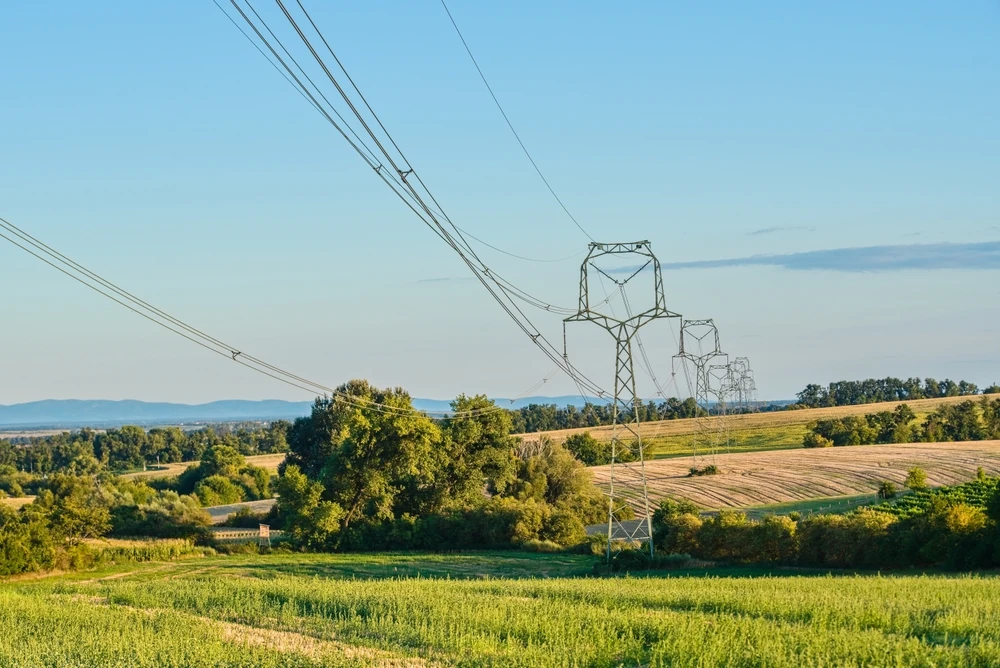
Rural properties tend to experience more frequent and longer-lasting outages because the electricity network that serves them is more spread out, more exposed and harder to access than the systems used in built-up areas. Distance from substations, long overhead line runs and limited backup supply options all increase the chance of disruption and make restoration slower when faults occur.
These conditions help explain why even relatively minor storms or local faults can have a major impact in rural areas. What might cause a brief interruption in town can leave a rural property without power for hours, particularly when the fault is difficult to locate or access.
Many rural properties are supplied by long stretches of overhead powerlines that cross paddocks, bushland and uneven ground. The greater the distance, the more poles, wires, insulators and transformers there are that can potentially fail or be damaged.
This type of infrastructure is highly exposed to weather and environmental impacts. Strong winds, falling branches, lightning, heavy rain and storm debris all increase the risk of faults. A damaged section of line many kilometres away can interrupt supply to every property further along that feeder.
Because rural assets are spread over a much larger area, faults can also take longer to identify. Crews may need to inspect long sections of line before the cause is found, and that process can significantly delay repairs.
Rural networks are more closely affected by the surrounding environment. Trees, dry grass, open paddocks and bushfire-prone land all create conditions where outages are more likely.
Branches growing too close to powerlines can cause arcing or short circuits, particularly in windy weather. During storms or prolonged wet periods, even healthy trees can drop limbs or fall entirely, bringing lines down with them. In fire-prone areas, network operators may also use more sensitive protection settings to reduce the risk of ignition, which can lead to faster shutdowns during dangerous conditions.
Wildlife can also interfere with supply. Birds nesting near transformers, possums entering electrical equipment and animals damaging low service lines can all create faults that are less common in dense urban networks.
Urban electricity systems are often designed with multiple feeders and switching points, allowing power to be redirected if one section of the network fails. Rural systems are usually far less flexible.
Many rural properties are connected to long radial feeders, which means power is supplied along a single path with little or no alternative route available. If there is a fault somewhere along that line, every property beyond it can lose supply until the damaged section is repaired and re-energised.
This lack of redundancy is one of the main reasons outages in rural areas can be more disruptive. There is often no quick workaround while repairs are being carried out.
When power goes out on a rural property, one of the first things to work out is whether the fault is coming from the wider electricity network or from the property’s own electrical installation. Identifying that difference early can save time and help ensure the right call is made.
In many cases, a few basic checks can provide a strong indication of where the issue lies. That said, any sign of damaged wiring, smoke, burning smells or fallen lines should be treated as a safety risk and left alone until assessed by the appropriate authority or a licensed electrician.
The easiest first step is to work out whether the outage extends beyond your property. In rural areas, this often means checking visually rather than relying on nearby streetlights or close neighbours.
Signs the fault may be network-related include nearby homes or sheds also being without lights, neighbouring pumps or bore systems not operating, or a wider loss of visible activity along nearby roads. If phone reception is available, it can also help to check the local distributor’s outage map, alerts or community updates to see whether others are reporting the same issue.
If multiple properties are affected, the fault is usually somewhere on the supply network rather than within your own installation.
If nearby properties still appear to have power, the next step is to inspect the switchboard or meter box. Check whether the main switch is still on and whether any safety switches or circuit breakers have tripped.
If a breaker or safety switch has tripped, it can be reset once by switching it fully off and then back on. If it trips again straight away, or trips again once appliances or pumps are brought back online, that usually points to a fault within the property. Common causes include damaged wiring, moisture in an outdoor fitting, a failed appliance or an overloaded circuit.
At that point, it makes more sense to contact an electrician than to report the issue as a network outage.
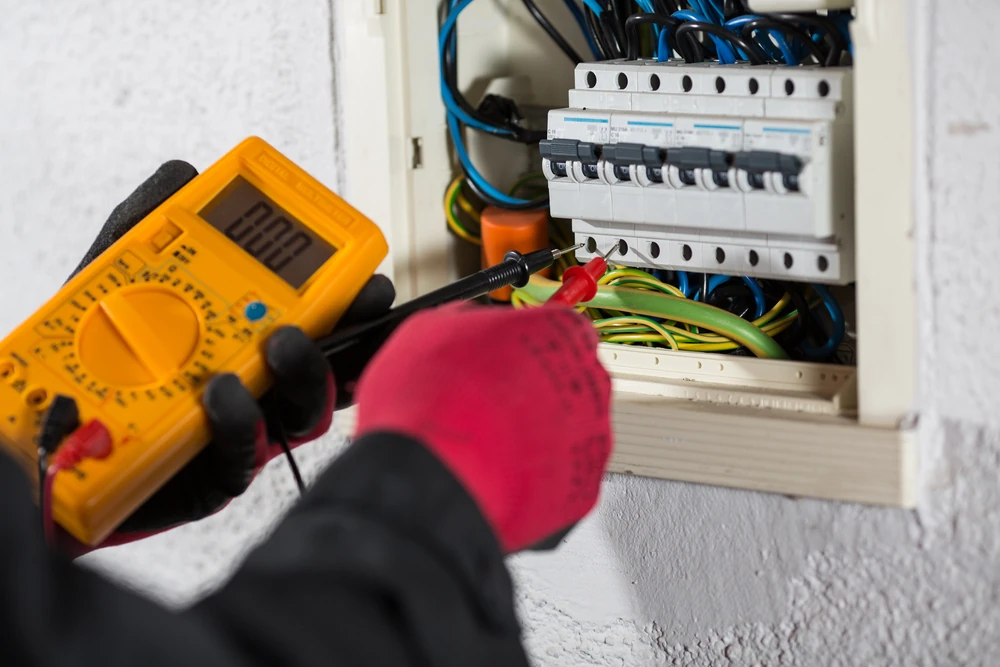
A complete outage is not the only pattern to watch for. Sometimes the problem affects only part of the property, which can be a useful clue.
If one shed is off but the house still has power, or if lights work while power points do not, the issue is more likely to be on a specific circuit rather than with the distributor’s supply. In those situations, unplugging non-essential appliances, resetting the relevant protective device and reintroducing loads gradually can help identify whether a particular appliance or circuit is at fault.
If a circuit will not hold even when everything is unplugged, damaged wiring or underground cabling may be involved and professional electrical testing is needed.
Rural outages often last longer not only because faults are more common, but because every stage of the repair process tends to take more time. Crews usually have further to travel, more line to inspect and fewer options for temporarily restoring supply while repairs are underway.
This means that even when the cause of an outage is straightforward, restoration can still be delayed by distance, terrain, weather and network limitations.
A fault on a short suburban street is usually easier to locate than one somewhere along dozens of kilometres of rural line. Before repairs can begin, crews first need to find the exact source of the problem, which may involve patrolling long sections of feeder through remote or difficult terrain.
This process becomes slower when roads are unsealed, paddocks are wet, gates are locked or lines pass through bushland and steep ground. In some cases, access is difficult enough that specialised vehicles or aerial support are needed before the damaged section can even be reached.
The larger and more exposed the network, the more time is usually required just to assess what has happened.
Rural systems are less likely to have the interconnected design features that help urban networks restore supply quickly. In many towns and cities, operators can isolate a fault and reroute customers onto another feeder while permanent repairs continue.
That option often does not exist in rural areas. Where a single feeder supplies a long stretch of customers, the affected section generally has to be repaired before power can be restored. This makes rural outages more dependent on the full repair process rather than temporary switching solutions.
Utilities also have to manage finite resources during major events. When a storm causes faults across a wide region, crews may be assigned first to areas where the greatest number of customers or essential services can be restored, which can leave isolated rural properties waiting longer.
Power cannot simply be switched back on as soon as visible damage is repaired. Before any line is re-energised, crews must confirm the network is isolated, safe to work on and free from additional hazards.
In rural locations, those checks can take longer because infrastructure may run across large distances and include a mix of overhead and underground sections, private crossings and ageing equipment. Once repairs are complete, the network may need to be tested, inspected and re-energised in stages to avoid further damage or overload.
Although this extends outage duration, it is a necessary part of restoring power safely.
Outages cannot always be prevented, but their impact can often be reduced with good preparation. Rural properties usually rely on powered systems that are essential to daily operation, which means even a short blackout can create more than just inconvenience.
A practical outage plan should cover immediate safety, continuity of critical equipment and longer-term resilience. The goal is not simply to cope with a power cut, but to reduce disruption and protect the property’s electrical system and connected assets over time.
Every rural property should have a clear understanding of which systems matter most during a blackout. That may include fridges, freezers, water pumps, electric gates, communications equipment, medical devices or security systems.
Once those priorities are identified, it becomes easier to plan for backup power and emergency response. A simple outage kit should also be kept in an easy-to-access location, with torches, spare batteries, phone charging options, first aid supplies, drinking water and basic food.
Properties that depend on pumped water should also have a plan for temporary storage or alternative supply, especially where livestock, irrigation or household water needs are affected.
Backup power needs vary widely between rural properties. A small home with basic refrigeration and lighting needs will not have the same requirements as a working property running pumps, sheds, workshops or communications infrastructure.
Portable generators can be suitable for essential loads if they are correctly sized and used safely. However, they should never be connected directly into a switchboard without compliant generator connection equipment and a proper changeover arrangement installed by a licensed electrician. Unsafe generator connections can backfeed into the network and create a serious risk for line workers.
For properties with frequent outages or critical electrical demand, a permanently installed standby generator or battery-backed system may be a more reliable option. These systems can be configured to keep selected circuits operating and reduce downtime when the grid fails.
Not every outage-related issue begins on the network side. Rural properties may also have private poles, overhead lines, underground cabling, pumps, outbuildings and switchboards that affect reliability and safety.
Regular inspection and maintenance of this infrastructure is important, particularly where installations are older or exposed to harsh conditions. Loose connections, damaged conduit, ageing switchgear, deteriorated private poles or faults in underground runs can all create avoidable interruptions or make it harder to determine where a problem is occurring.
A licensed electrician can help identify risks before they lead to repeated outages, equipment damage or unsafe conditions.
Frequent power interruptions on rural properties are usually the result of several overlapping factors rather than one isolated issue. Long distances from substations, exposed overhead lines, limited backup supply paths, vegetation, wildlife and difficult access all contribute to a network that is less resilient than the one serving most urban areas. On top of that, private electrical infrastructure on rural properties can introduce its own reliability and safety issues if it is not properly maintained.
Understanding these conditions makes it easier to respond appropriately when outages occur and to take practical steps that reduce disruption over time. With sound planning, safe backup power arrangements and ongoing maintenance of both essential systems and private electrical infrastructure, rural property owners can improve resilience and better protect the operations that depend on a reliable supply.
