Power cutting out without warning can throw the whole day off, whether it happens during dinner or in the middle of a busy shift in Tamworth. From day-to-day work, we see how frustrating repeated shutdowns can be when people just want things to run smoothly. At Callinan’s Electrical, these faults are something we deal with regularly, and in many cases the cause is far simpler than it first appears. When a safety switch trips, it means your protection has done its job, but it also signals an issue that should be checked by an electrician in Tamworth before it becomes a bigger problem.
Some power issues show up once and never return, while others keep happening until the source is found and fixed properly. Ignoring the warning signs can lead to damaged appliances or ongoing outages and rising safety risks inside the property. With the right checks it is often possible to narrow down the cause quickly before calling for help. Knowing what to look for makes a huge difference in getting power back without adding more problems along the way.
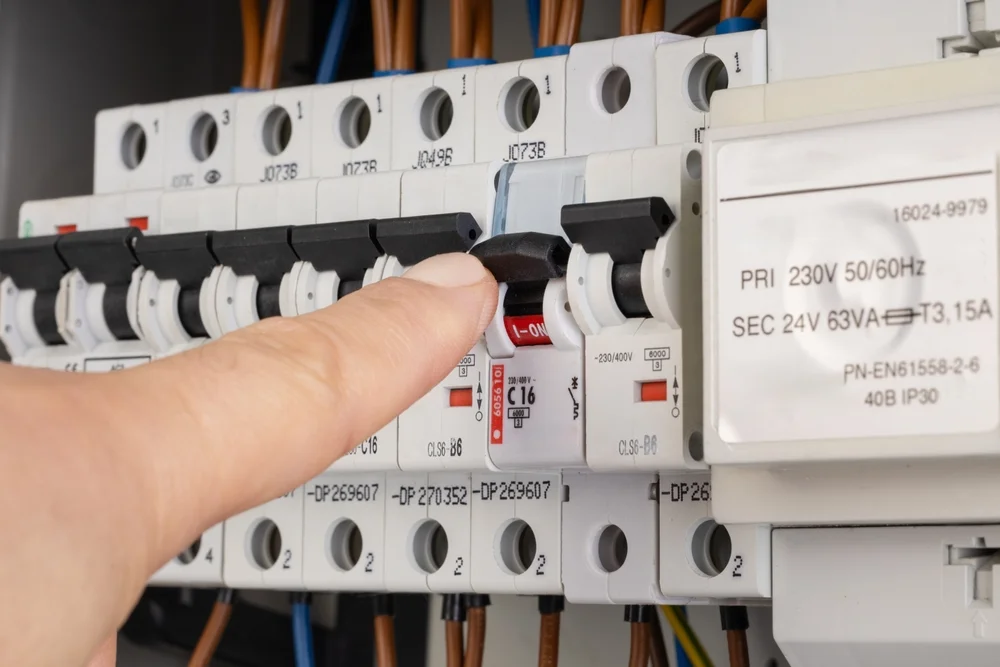
Safety switches trip to protect people from harm and to stop faults from turning into major hazards. Each trip is a warning sign that electricity is flowing somewhere it should not. Some causes are small and easy to correct, while others signal ageing systems or faulty equipment. Knowing these common triggers helps narrow down the problem faster and reduces guesswork.
Appliances are one of the most frequent causes of unexpected tripping because internal faults are not always visible from the outside. A worn motor or frayed internal wiring or moisture inside an appliance can create a current leak that the safety switch detects instantly. Even newer appliances can develop faults without showing obvious damage.
Moisture and electricity are a dangerous mix, and even small amounts of water can cause immediate tripping. Outdoor outlets and bathrooms, or laundries and kitchens are the most vulnerable spots. Weather exposure combined with plumbing leaks or condensation buildup frequently lead to moisture entering fittings.
Over time wiring breaks down through heat and movement, or vibration and general wear. Small cracks in insulation or loose terminals create unstable current paths that the safety switch detects as unsafe. Older buildings are especially prone to these faults because materials naturally degrade as years pass.
Modern homes draw far more power than older electrical systems were originally designed to handle. When too many devices run on the same circuit at once, the load can exceed safe limits. This creates heat buildup and unstable current flow that triggers protective shutoffs.
Large fixed appliances place heavy demand on electrical systems, and even minor faults inside them cause instant tripping. These units operate for long cycles and generate heat, which increases failure risk over time. When they trip a safety switch, it usually signals an internal electrical fault.
Safety switches do not last forever, and older units can become oversensitive as internal components age. Dust and natural wear can reduce accuracy and cause false trips under normal load conditions. This creates frustration and unreliable power even when nothing is actually wrong.
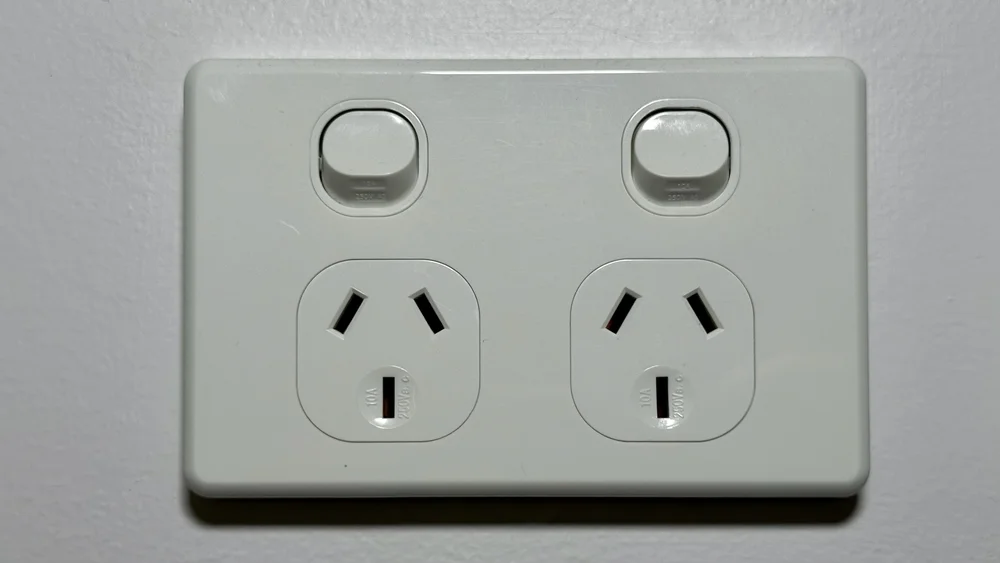
Finding the source of a tripping switch requires a calm, step-by-step approach rather than guesswork. Some checks can be done safely without tools and help identify whether the issue is appliance-related or wiring-related. The goal is to isolate the fault without exposing anyone to unnecessary risk. If anything feels unsafe at any point, the process should stop immediately.
This is often the quickest way to determine whether the trip is appliance-related. Removing all plugged-in items removes every possible external load from the circuit. Power is then restored, and devices are reintroduced one at a time.
Visual checks often reveal issues quickly, particularly after wet weather or plumbing work. Water entry is one of the easiest causes to detect without tools. Outdoor areas are especially important because they get the most exposure.
Restoring power carefully after each inspection step is essential for narrowing down the problem. Turning everything back on at once removes the chance to identify which step caused the fault. Resetting should always be controlled and monitored.
Some warning signs clearly indicate that the fault is unsafe for personal inspection. These issues present higher shock and fire risks and need professional handling. Ignoring these signs can place property and people in danger.
There is a clear point where home checks should stop and trained testing must begin. When the switch keeps tripping without appliances connected or faults appear inside walls or fixed equipment, professional tools are required. Proper testing identifies exact leak points without guesswork.
Repeated safety switch trips are never something to ignore because they always signal an imbalance somewhere in the system. Sometimes the fix is as simple as replacing a faulty kettle, but other times it reveals deeper wiring faults hidden behind walls. Knowing how to narrow down the cause helps avoid frustration and reduces the risk of further damage. A steady, methodical approach keeps the process safe and effective.
When trips become frequent or unpredictable or even linked to internal systems, it is time for proper testing and repairs by trained hands. Callinan's Electrical knows how quickly small faults can escalate when left unchecked. Fixing the root cause restores reliability while protecting equipment and keeping people safe. Stable power always starts with a system that is maintained well and trusted.
