When only part of a home loses power, the cause is not always immediately obvious. A few rooms may be affected while the rest of the property continues to operate normally. For homeowners seeking an experienced electrician in Tamworth, understanding the common causes of partial power loss can help prevent unnecessary risks and avoid further damage to electrical systems.
At Callinan's Electrical, partial outages are among the common electrical issues investigated in residential properties. In many cases, the problem can be traced to a tripped circuit breaker, a safety switch, an overloaded circuit or a faulty appliance. In other situations, it may point to a more serious wiring, switchboard or supply issue that requires prompt professional attention.
This article explains why only part of a house may have power, the warning signs to watch for, the basic checks that can be carried out safely and when a licensed electrician should be called.
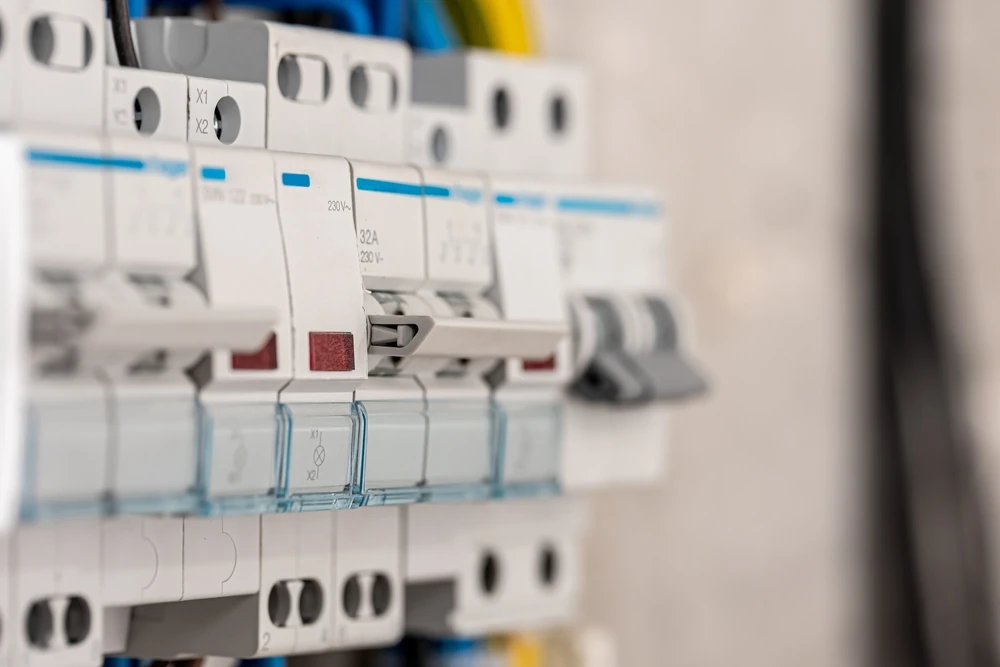
A partial power loss usually means the problem is limited to one circuit, one group of circuits or one section of the electrical supply. Homes are divided into separate circuits so that lighting, power points, appliances and other electrical loads can be managed safely.
If one circuit trips, only the rooms or outlets connected to that circuit may lose power. This is why the kitchen power points may stop working while the lights remain on, or why one side of the house may lose power while the rest continues to operate normally.
Common causes include:
Because some causes are simple and others are potentially dangerous, it is important to approach partial power loss carefully.
The first safe step is to work out exactly which rooms, lights, outlets and appliances are affected. This can help identify whether the issue is limited to a single circuit or may involve a larger electrical problem.
Start at one end of the home and move through each room in order. Check the main light, at least one power point and any hard-wired appliances that are safe to test. Use a simple item such as a small lamp or phone charger with an indicator light rather than an appliance that may already be faulty.
As each area is checked, make a basic list of what is working and what is not. Look for patterns, such as:
If all kitchen power points are dead but the kitchen lights still work, the problem may be on a power circuit rather than a lighting circuit. If several large appliances in different parts of the home lose power at once, the issue may be more serious than a single tripped circuit.
Partial power problems are not always obvious. Some circuits may appear to work but behave strangely when electrical load increases. Lights may dim when a kettle, heater or microwave is switched on, or sensitive electronics may shut down even though other items still appear to operate.
Warning signs include:
If there is a burning smell, buzzing, visible scorching, sparks or heat at an outlet or switchboard, stop testing immediately. If it is safe to do so, turn off the power at the main switch and contact a licensed electrician.
When only part of a house has lost power, the switchboard is one of the first places to check. A single tripped circuit breaker or safety switch can cut electricity to part of the home while the rest of the property continues to operate normally.
Before checking the switchboard, turn off and unplug appliances in the affected area. This reduces the load on the circuit and helps protect sensitive electronics if power returns.
Open the switchboard cover and look at the circuit breakers and safety switches. A tripped breaker may sit in the middle position or clearly show as OFF while the others are ON. Some models also have an indicator window. Safety switches are often marked as RCD or have a test button.
To reset a tripped switch safely:
If the switch stays on and power returns, the issue may have been a temporary overload. If it trips again, there is likely an ongoing fault or overload that needs further attention.
Appliances should be unplugged before resetting a tripped breaker or safety switch. This reduces the electrical load when power is restored and helps identify whether a particular appliance is causing the problem.
Once the switch has been reset, plug appliances back in one at a time. Turn each item on separately and watch what happens. If the power trips again immediately after one appliance is plugged in or switched on, that appliance may be faulty and should not be used until assessed by a licensed electrician or appliance repair technician.
This step is especially important for high-demand appliances such as:
If the switch will not reset even with appliances unplugged, or if it trips again with nothing reconnected, the issue may be in the fixed wiring, switchboard or circuit itself. Do not keep resetting it. Leave the affected circuit off and arrange professional inspection.
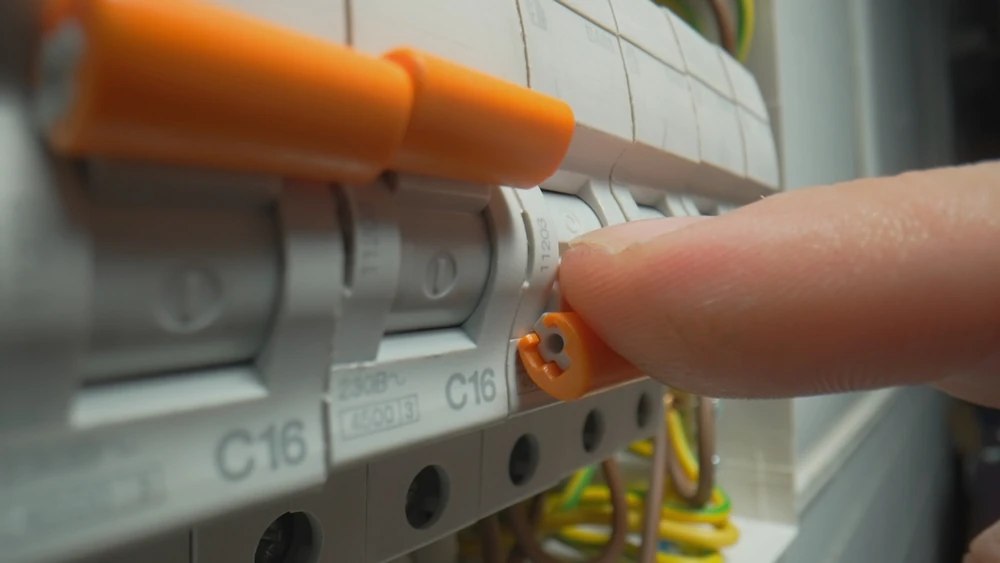
If a breaker or safety switch trips again soon after being reset, it usually means the device is responding to a continuing problem. It should not be ignored or forced back on repeatedly.
An overload can occur when too many high-demand appliances are used on the same circuit. This is common in kitchens, laundries, living rooms and outdoor areas where several appliances may be running at once. If the breaker holds when some appliances are unplugged, the circuit may simply be overloaded.
A faulty appliance can also cause repeated tripping. If the same item causes the power to trip each time it is used, stop using it until it has been checked.
A safety switch that will not stay on may indicate an earth leakage fault. This can happen when electricity is escaping from where it should be contained, often due to damaged wiring, moisture, a faulty appliance or deterioration in the circuit.
A breaker that trips immediately after resetting may point to a short circuit, damaged wiring or a more serious electrical fault. These issues require professional testing and should not be investigated by opening fittings, outlets or the switchboard.
Basic checks can help identify simple causes, but there are clear situations where DIY troubleshooting should stop. Electrical faults can create shock and fire risks, especially when heat, moisture, damaged wiring or repeated tripping are involved.
Call a licensed electrician if:
Anything involving fixed wiring, switchboard repairs, damaged outlets, old fuses or concealed electrical faults should be handled by a licensed electrician. Opening the switchboard casing, accessing wiring or attempting electrical repairs without the proper licence is dangerous and not appropriate for homeowners.
Partial power loss should never be dismissed as a minor inconvenience. While the cause may be a tripped breaker, overloaded circuit or faulty appliance, recurring outages can indicate a more serious electrical issue.
Identifying the affected areas, checking the switchboard safely and unplugging appliances before resetting power can help narrow down the cause. However, persistent tripping, flickering lights, hot outlets, burning smells or circuits that refuse to stay on require professional diagnosis.
A licensed electrician can test the affected circuit, identify the cause of the fault and restore power safely. Acting early can help prevent further damage, reduce safety risks and keep the home’s electrical system operating properly.
