Rewiring a home in Tamworth is one of those projects that many homeowners know they may need, but few feel confident budgeting for. Costs can vary widely depending on the age of the home, the condition of the existing wiring, how easy the property is to access and how much of the electrical system needs to be upgraded. As a residential electrician in Tamworth, Callinan’s Electrical sees firsthand how these factors can change the scope and price of rewiring work from one property to the next.
In this article, Callinan’s Electrical breaks down the main factors that affect the cost of rewiring a house in Tamworth, including property size, access, switchboard requirements and whether a partial or full rewire is needed. Readers will also get a clearer idea of typical price ranges, what is usually included in a rewiring quote and what to look for when planning this type of major electrical upgrade.
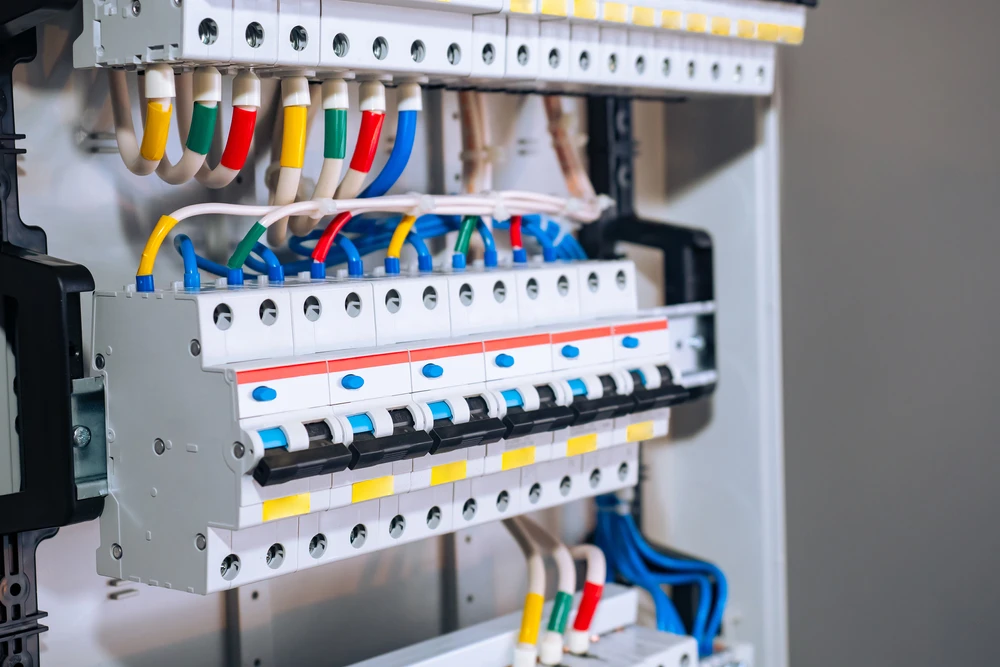
For many Tamworth homes, a full electrical rewire is a substantial project that can range from several thousand dollars into the five-figure range depending on the size and complexity of the property. As a general guide, smaller units or compact homes may start from around $4,000 to $6,000 for a straightforward rewire, while average family homes often fall into the mid-to-upper part of the typical rewiring range, depending on access, switchboard work and the number of circuits involved. Larger or more complex homes can exceed $10,000, particularly where there are access issues, switchboard upgrades or additional circuits involved.
These figures are intended as a broad guide only rather than fixed pricing. The final cost will depend on the size and layout of the property, the condition of the existing wiring, how accessible the installation is and what is required to bring the system up to current safety standards.
As a practical guide for Tamworth homeowners, rewiring costs often fall within the following broad ranges:
Small units or 1–2 bedroom cottages: approximately $4,000 to $6,500 for a relatively straightforward rewire with standard fittings.
Average 3–4 bedroom family homes: approximately $6,500 to $9,500 or more, depending on access, roof space conditions, switchboard work and the number of circuits involved.
Large or multi-storey homes: from $9,500 to $14,000+, especially where there are multiple subcircuits, air conditioning circuits, outdoor areas, sheds or more complex access requirements.
These ranges are indicative only and should not be taken as standard or fixed charges. Some homes will sit below or above these figures depending on the existing electrical installation, the quality of fittings selected and whether any additional repair or upgrade work is needed during the project.
When licensed electricians price a rewire in Tamworth, the quote usually covers the core work needed to update the home’s electrical installation and improve safety. This generally includes new wiring from the switchboard to power points, switches and lighting points, along with testing of the completed work and certification where required.
Most rewires also involve replacing older outlets and switches with new fittings and checking that the home has enough circuits and power points for modern household use. In older Tamworth homes, this often means upgrading parts of the installation so it better suits the way the property is used today, especially in kitchens, living areas and bedrooms where demand is usually much higher than it was when many homes were first built.
Depending on the property and the scope of works, the quote may also include switchboard upgrades, new protection devices, earthing improvements or other safety-related work identified during inspection. Any smoke alarm upgrades, patching, plaster repairs or repainting are often separate items unless they form part of a larger renovation or have been specifically included in the quotation.
Tamworth has a mix of older weatherboard homes, brick veneer houses and newer builds, which means access and construction type can strongly influence labour time and overall price. Older weatherboard homes can sometimes be easier to access from underfloor and roof spaces, which may help keep costs down. Double brick homes with limited roof access often require more time and care, which can increase labour.
Occupied homes often cost more to rewire than vacant properties, as the work may need to be staged room by room, disruption needs to be managed carefully and essential power may need to be restored at the end of each day. Any plaster repair or repainting after the electrical work is usually an additional cost rather than part of the electrician’s quote.
The cost of rewiring a house in Tamworth can vary significantly from one property to the next. While many homes fall within a broad pricing range, the final figure depends on a mix of size, access, wiring condition and the level of finish the owner wants. Understanding these factors helps homeowners budget more realistically and compare quotes on a like-for-like basis.
Licensed electricians generally assess each property on site before confirming a price. During this visit, the layout and existing electrical system are inspected so the quote reflects the real work involved rather than a rough allowance.
The larger the home, the more cable, fittings and labour are required. A compact two-bedroom unit with easy ceiling access will usually cost significantly less to rewire than a four-bedroom house with multiple living areas, outdoor circuits and additional appliances.
Layout also plays a big part. Homes with long cable runs, multiple storeys or extensions added over time tend to be more complex. For example, if circuits need to pass through several roof spaces or around structural features, the electrician must allow extra time for careful routing, installation and testing. Older Tamworth homes that have been renovated in stages often have mixed wiring from different periods, which can increase the work needed to make the overall installation safe, compliant and neatly integrated.
Many Tamworth properties still have older wiring types or electrical systems that no longer suit modern safety expectations. Removing deteriorated or outdated wiring safely often adds time compared with replacing newer wiring that is already in relatively good condition. If the existing switchboard is outdated or overloaded, a rewire will often involve a switchboard upgrade with modern protection devices, which adds to both material and labour costs but is often necessary.
Hidden issues discovered once work begins can also affect price. Deteriorated connections, inaccessible cable runs behind fixed linings or previous DIY alterations may require additional tracing, repair work and testing.
Access to wiring strongly influences labour time. Houses with clear roof space, timber floors on stumps and minimal insulation are usually quicker to rewire. Properties with low or cramped roof cavities, concrete slabs with no underfloor access or heavily insulated roofs can take longer, as every cable run is harder to reach. Double brick and solid plaster walls also tend to increase costs because chasing or alternative routing may be required.
The quality and style of fittings chosen will also affect the final price. Standard white power points and switches are usually the most cost-effective option, while premium designer plates, USB outlets, feature lighting or smart home controls will increase material costs. Likewise, if a homeowner uses the rewire as an opportunity to add more power points, outdoor lighting or data points, this adds both labour and material costs.
Finally, patching and repainting after chasing walls or moving fittings is usually not included in an electrical quote. Homes where new wiring can be run through roof and underfloor spaces with minimal wall damage often keep associated building costs lower than properties that require extensive cutting and patching.
Homeowners in Tamworth often want to know whether they can save money with a partial rewire or whether a full rewire is the better option. The cost difference can be significant, but the cheapest option is not always the safest or most cost-effective in the long term.
A partial rewire focuses on specific areas or circuits, while a full rewire replaces the wiring and related components throughout the property to the extent required by the project scope. Which option is suitable depends on the age and condition of the existing wiring, the layout of the home and any renovation plans.
A partial rewire in Tamworth is usually chosen when only part of the system is outdated or when a homeowner is renovating a particular area, such as a kitchen extension or another section of the home. Typical examples include rewiring:
A single room such as a kitchen or bathroom
One floor of a two-storey home
A specific circuit such as power or lighting
A partial rewire can be a practical solution if the rest of the installation is modern, has been properly assessed and tests as safe. However, if large parts of the old wiring are left in place, it can become more expensive later to deal with faults, trace older circuits or integrate wiring from different periods.
A full rewire involves replacing wiring back to the switchboard, along with associated power points, switches, light points and any protection upgrades required as part of the work. In Tamworth, this is often recommended where a property has very old wiring, outdated electrical components or signs that the existing system no longer suits modern household demand.
For a typical 2- to 3-bedroom house in Tamworth, a full rewire will often fall within the mid-to-high thousands as a general guide, with larger or more complex homes costing more. The final figure depends on the size of the property, the number of circuits, the level of finish required and how easy it is to access roof, wall and underfloor spaces.
Although the upfront cost of a full rewire is higher than a partial upgrade, it can offer better long-term value where much of the existing wiring is outdated. Replacing the system more comprehensively often reduces the likelihood of ongoing fault-finding, piecemeal repairs and additional disruption later on.
From a cost perspective, a partial rewire can appeal to homeowners with tighter budgets or those only renovating one part of the property. It can be a practical option where the newer parts of the electrical installation are still in good condition and the remaining wiring has been properly inspected and found to be safe.
A full rewire is usually the better long-term choice where a large portion of the wiring is outdated, deteriorated or no longer suitable for modern electrical demand. It allows the installation to be upgraded in a more consistent way and can be more cost-effective than carrying out multiple smaller upgrades over time.
The right option depends on the results of an on-site inspection rather than price alone. A licensed electrician will look at the age and condition of the existing wiring, how much of the home is affected and whether a partial upgrade would leave older sections of the system likely to need attention again in the near future.
Before thinking about cost, it helps to know whether your Tamworth home actually needs rewiring. Some warning signs are obvious, such as sparking power points or breakers that trip regularly. Others are more subtle, including outdated switchboards or wiring systems that no longer meet modern safety expectations.
Callinan's Electrical recommends paying attention to both the age of the property and any day-to-day electrical issues. If any of the following signs sound familiar, it is worth arranging an inspection with a licensed electrician to determine whether partial or full rewiring may be needed.
If power regularly cuts out without a clear reason or circuit breakers trip whenever larger appliances are used, it can point to overloaded or deteriorating wiring. Modern homes in Tamworth typically run far more appliances than older electrical systems were originally designed to handle, which can place strain on older circuits and create overheating risks.
Other warning signs include buzzing or crackling sounds from switches or power points, as well as any smell of burning plastic. Warm or discoloured outlets and light switches are especially serious, as they can indicate heat damage inside the wall. If an outlet sparks when a plug is inserted or removed, it should be checked promptly and not used until it has been inspected by a licensed electrician.
Older-style power boards and multiple double adaptors running from a single outlet in every room can also suggest that the original circuit layout no longer suits how the home is used, which is often something addressed during a rewire.
Many Tamworth homes built several decades ago may still have much of their original wiring unless major electrical work has already been completed. In these homes, ageing cable insulation, older-style protection devices and a limited number of power points can all suggest that the system no longer reflects modern safety expectations or household power use.
Visual signs around the switchboard can often provide useful clues. Ceramic fuses, the absence of modern circuit protection or a generally dated setup may indicate that the installation is older and worth assessing more closely. Older light fittings, worn accessories and very limited outlet numbers throughout the home can also point to an electrical system that may not have been significantly upgraded for many years.
These signs do not automatically mean a full rewire is always required, but they do suggest the property should be inspected by a licensed electrician. Testing and inspection are the only reliable way to determine whether the system remains safe, what upgrades may be needed and whether a partial or full rewire is the more appropriate option.
Flickering or dimming lights that are not caused by a faulty globe can point to poor connections or overloaded circuits. If lights dim every time a larger appliance starts, such as an air conditioner or vacuum cleaner, the wiring or circuit design may no longer be well suited to the load.
Cracked or brittle switch plates and power point covers are common in older properties around Tamworth. While these fittings themselves are relatively simple to replace, they can sometimes indicate older components or aged wiring behind them. Any visibly old or deteriorated cable should be assessed by a licensed electrician.
Homeowners who notice tingling sensations from appliances or metal fixtures should stop using the affected circuit and contact an electrician urgently. This can indicate an earthing fault or another serious electrical issue that may need comprehensive remedial work.
For many older Tamworth homes, the cost of a full rewire feels like a major commitment. What most owners really want to know is whether the investment will pay off in safety, convenience and long-term value. In many cases it does, especially where the wiring is more than 30 to 40 years old or already showing clear signs of deterioration.
Licensed electricians often find that for older Tamworth properties, a well-planned rewire can help prevent repeated faults, improve everyday usability and make the home more appealing to future buyers. The key is to weigh the age and condition of the current wiring against how long the owner plans to stay in the property and whether other renovations are already planned.
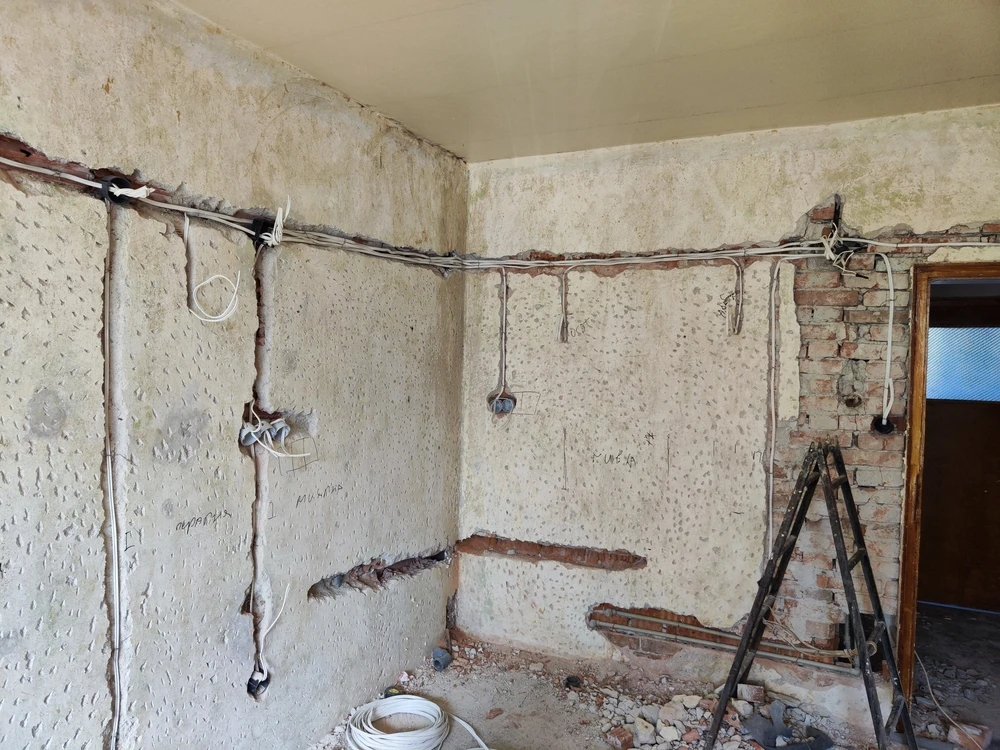
One of the main reasons older Tamworth homes are rewired is to improve safety. Electrical systems that were installed decades ago were designed for very different patterns of household use and may no longer provide the level of protection expected in a modern home. Ageing components, outdated wiring methods and overloaded circuits can all increase the risk of faults and inconvenience.
A rewire provides the opportunity to update the installation so it better reflects current safety expectations and the demands of modern appliances. Depending on the scope of works, this may include upgrades to protection devices, improvements to earthing arrangements and a more practical circuit layout for the way the home is used today.
There can also be broader benefits when a home’s electrical system has been professionally upgraded. Clear documentation, compliant workmanship and a safer overall installation can help give owners greater confidence when renovating, arranging insurance or preparing the property for sale.
Older homes were often wired for a fraction of the power use seen today. Too few power points, overloaded power boards and lights that dim when appliances start are all common issues in established Tamworth suburbs. Rewiring gives homeowners the chance to redesign power and lighting layouts so they better suit the way the home is actually used.
During a rewire, licensed electricians can add:
Extra general power outlets in living areas, bedrooms and kitchens
Dedicated circuits for appliances such as air conditioning, ovens and other high-load equipment
Improved lighting layouts, including LED lighting, dimmers or more practical switching arrangements
This not only makes the home easier and safer to live in, but also helps prepare it for future needs such as electric vehicle charging, additional air conditioning or home office upgrades.
For owners planning to sell in the next few years, a recent professional rewire can be a positive point for buyers who may otherwise be concerned about older wiring. Electrical issues raised during inspections can affect buyer confidence and sometimes lead to price negotiations, so having the wiring professionally upgraded can make the property easier to present.
For those planning to stay long term, timing often comes down to practicality. If the wiring is very old or already causing problems, it is often more cost-effective to invest in a proper upgrade rather than continue paying for repeated repairs. Many Tamworth homeowners also choose to combine rewiring with other renovation work, such as kitchen upgrades or extensions, so access to walls and ceilings is easier and overall disruption is reduced.
Rewiring a house in Tamworth is a major electrical upgrade that affects safety, convenience and long-term property value. As this article has outlined, the cost can vary widely depending on the size and age of the home, the condition of the existing wiring, the level of access and the scope of work involved. Whether the job requires a partial rewire, a full rewire or additional switchboard and safety upgrades, the key is understanding what is actually included and how those details affect the final price.
For homeowners, the real value of rewiring is not just in replacing old cables. It is in creating a safer, more practical electrical system that suits modern living and reduces the risk of faults, overloads and repeated repair work. The best way to budget accurately is to have the property assessed properly, so the quote reflects the condition of the home and the work needed to bring the installation up to standard.
