Electrical systems in Tamworth homes face increasing pressure from modern appliances, ageing wiring and changing safety standards. Many properties still rely on outdated switchboards, limited safety devices and wiring that was never designed for today’s electrical loads. This creates hidden risks that may not be obvious until a circuit fails, an appliance is damaged or someone receives an electric shock. By understanding which safety upgrades are most critical, homeowners can take targeted action that protects their family and their investment rather than relying on assumptions or quick fixes.
In this article Callinan's Electrical explores the essential electrical safety upgrades Tamworth homes should not ignore, including modern safety switches, upgraded switchboards, compliant wiring, surge protection and practical measures for fire and shock prevention. Readers will learn how to recognise warning signs that their electrical system needs attention, what current standards require and which upgrades deliver the greatest safety benefit for typical Tamworth properties. With clear insight drawn from local experience, our team explains why proactive electrical improvements are far more effective and cost-efficient than waiting for a fault or emergency to occur.
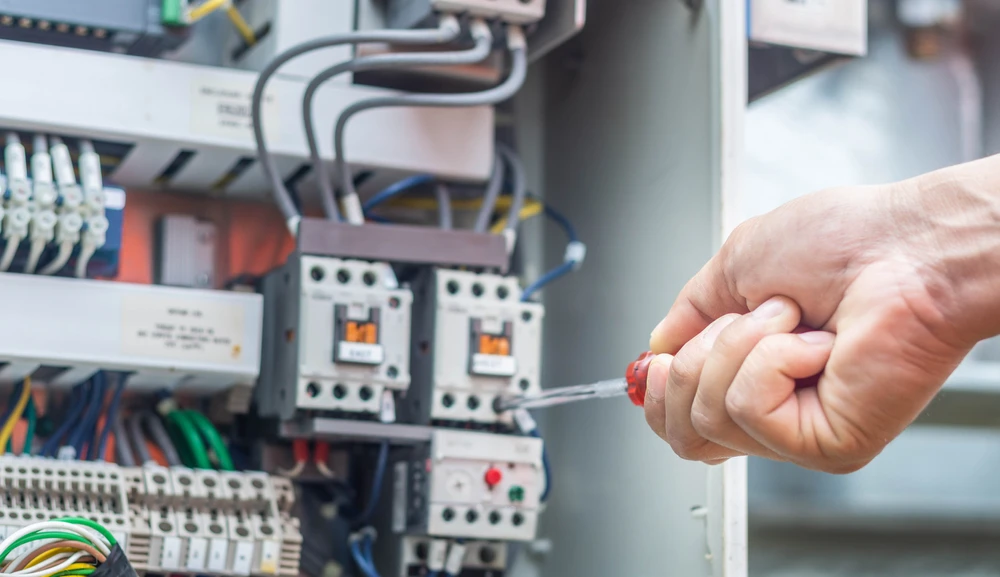
Many Tamworth homes still rely on ageing electrical systems that were never designed for today’s appliances and devices. As a result, there are several recurring safety risks that most electricians find when inspecting local properties, particularly older weatherboard homes and renovations that have been updated room by room.
Understanding these common issues helps homeowners recognise when it is time to call a licensed residential electrician in Tamworth. Early detection is far cheaper and safer than waiting for a tripped circuit to turn into a fire or electric shock.
A significant number of Tamworth homes still have original wiring, including cotton- or rubber-insulated cables and, in some cases, VIR (Vulcanised Indian Rubber) wiring in roof spaces. These materials become brittle over time, which can lead to exposed conductors, short circuits and a serious fire risk.
Modern households place far more demand on circuits than they were originally designed to handle. Multiple heaters, air conditioners, dryers and kitchen appliances often share the same circuit. Signs that circuits are overloaded include frequent tripping at the switchboard, flickering lights when appliances start up or warm switch plates and power points. In extreme cases wiring can overheat inside walls without any visible warning.
Many older Tamworth homes still use ceramic fuses or early-style circuit breakers that do not provide the level of protection now required under Australian Standards. These boards were never intended to work with current loads or with rooftop solar and electric vehicle chargers.
Outdated boards commonly lack essential safety devices such as:
Without RCDs a fault in an appliance or damaged cord can result in a potentially fatal electric shock. DIY modifications are also a problem, for example, extra circuits added without proper labelling or mixed cable sizes in the same fuse, both of which increase fault and fire risk.
Loose, cracked or discoloured power points are regularly found in Tamworth homes. Movement in walls, minor water leaks and heavy use can loosen terminations inside outlets, which can cause arcing and melting. Similar problems occur in old batten holders and light fittings, particularly in hot roof cavities where plastic components degrade more quickly.
Unlicensed DIY electrical work is another serious and surprisingly common risk. Homeowners sometimes extend a circuit, fit new lights, swap power points or relocate a switch without understanding cable sizing, earthing requirements or fault protection. Even if everything appears to work, joints may be poorly insulated and connections may be loose, which can lead to shock or fire months or years later.
Outdoor areas add extra hazards, especially around pools, sheds and garden lighting, where moisture and damaged conduits allow water to reach live parts. In many cases external power points and fittings are not weatherproof to the correct IP rating for Tamworth’s conditions, which greatly reduces their safe lifespan.
A modern, compliant switchboard is one of the most important electrical safety upgrades for Tamworth homes. Older boards often struggle with today’s appliance loads and usually lack the safety devices now required by Australian Standards. Upgrading the switchboard improves protection against electric shock, electrical fires and nuisance tripping that can mask more serious faults.
Callinan's Electrical focuses on tailoring switchboard and safety device upgrades to the specific home. This includes assessing the age and condition of existing equipment, checking for asbestos-backed panels or rewireable fuses and ensuring the upgraded system is sized for future solar, EV chargers or additional circuits.
Many established Tamworth properties still have ceramic fuses or mixed old and new components. These older systems do not trip as quickly or as safely as modern circuit protection and often lack clearly labelled circuits, which makes fault finding slower in an emergency.
A switchboard upgrade typically involves replacing rewireable fuses with modern circuit breakers and RCDs, tidying and re-terminating wiring, installing compliant earthing and bonding and fitting a non-combustible, enclosed switchboard panel. Most trusted electricians also check for overloading, where multiple high-demand circuits share one protective device, which increases the risk of overheating and fire.
For homes with frequent tripping, flickering lights or warm switchboard covers, an upgrade can address underlying issues and create a safer, more reliable supply.
Residual current devices (RCDs) are now mandatory on most final subcircuits and are critical for preventing electric shock. They constantly monitor the current in active and neutral conductors and disconnect power in milliseconds if they detect an imbalance typical of a person receiving a shock. Most electricians ensure that all power and lighting circuits are protected by RCDs in line with current wiring rules.
RCBOs combine RCD and circuit breaker functions in a single device. These provide both shock and overload/short-circuit protection per circuit which helps isolate faults more accurately and reduces the amount of the home that loses power during a trip. They are particularly useful in homes with sensitive equipment such as home offices or medical devices.
Surge protection devices protect appliances and electronics from voltage spikes caused by lightning or network switching. Fitting surge protection at the switchboard creates a first line of defence for computers, TVs, fridges, solar inverters and smart home equipment, which can save homeowners from costly replacements after a storm.
Homeowners should consider a switchboard and safety device review with Callinan's Electrical if they notice:
An inspection by a licensed electrician can confirm compliance with current Australian Standards and outline a staged upgrade plan if needed so Tamworth homes gain improved protection without unnecessary disruption.
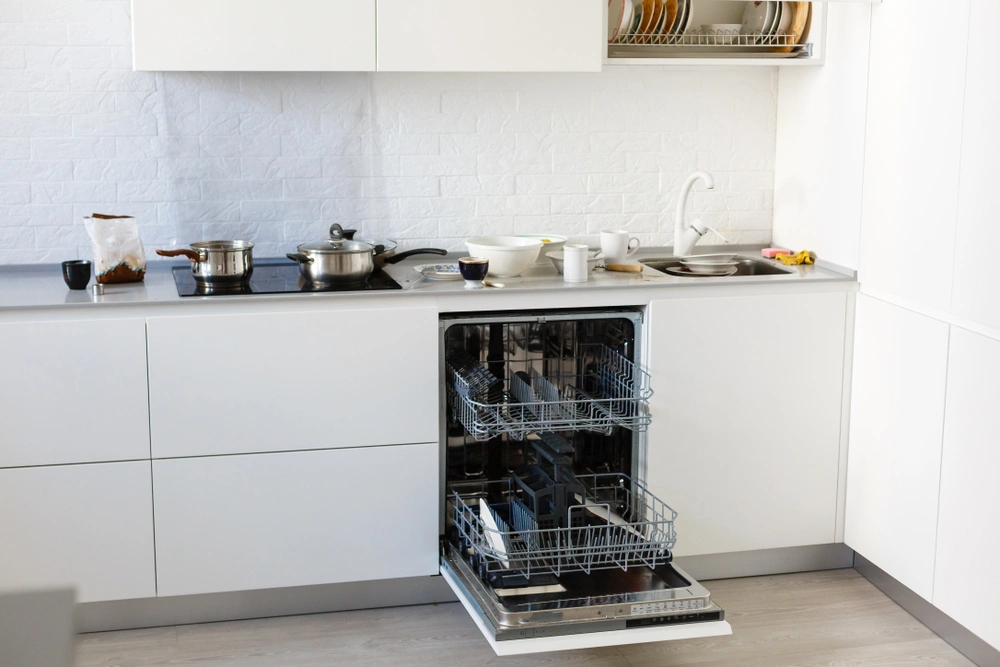
Tamworth homes often have a mix of old wiring and new appliances, which can push older electrical systems beyond what they were designed to handle. Knowing when to upgrade is not just about convenience or modern living;, it is about preventing shocks, electrical fires and costly damage.
Homeowners should look for clear warning signs from their electrical system as well as think about upgrades during renovations or when adding major appliances. In many cases the safest and most economical approach is to act before problems become urgent.
A key trigger for safety upgrades is the age of the home and whether the wiring has ever been modernised. Many Tamworth properties built before the 1990s still have wiring and switchboards that do not meet current Australian standards.
If a home is more than 25 to 30 years old and there is no record of a full electrical upgrade, it is sensible to arrange a safety inspection. Homes that still use ceramic fuses or have no RCDs (safety switches) on power and lighting circuits are strong candidates for immediate upgrades. Older homes that have had piecemeal DIY work over the years also carry higher risk and should be checked by a licensed electrician.
There are several practical signs Tamworth homeowners can watch for that often indicate the need for electrical safety upgrades.
If circuit breakers trip frequently when using kettles, toasters or heaters, this usually means circuits are overloaded or wiring is undersized. Lights that dim or flicker when large appliances start can point to voltage drop or loose connections. Power points or switches that feel warm, look discoloured or emit a buzzing sound should be treated as urgent hazards, as these can precede electrical fires.
Regular use of double adaptors and power boards in several rooms shows that the home does not have enough outlets for modern living. In this situation adding properly wired outlets and reviewing circuit loads is far safer than continuing to rely on temporary solutions.
Any significant change to how a home is used is a good time to consider electrical safety upgrades. Renovations such as kitchen or bathroom updates, adding an outdoor entertainment area or building an extension usually involve new circuits, lighting and appliances. Bringing the existing switchboard and wiring up to current standards during this work is often more cost-effective than trying to upgrade later.
Installing high-demand appliances such as ducted air conditioning, pool pumps, EV chargers or large ovens can overload an older switchboard. Before these are added, a licensed electrician should confirm that the main supply, switchboard capacity and protective devices are suitable.
Lifestyle changes also matter. Growing families, home offices and more time spent at home all increase electrical usage. When the number of devices, chargers and appliances increases, it is wise to review safety switches, surge protection and circuit loading so the system remains safe as demands grow.
In Tamworth, too many houses are still relying on outdated wiring, limited or non‑existent safety switches, overloaded circuits and ageing switchboards that were never designed for the way we use electricity today.
Across this article, I’ve outlined why modern RCD safety switches, surge protection, smoke alarm upgrades, switchboard replacements, dedicated appliance circuits, proper earthing and bonding, outdoor and wet‑area protection, and EV/solar‑ready wiring are no longer “nice to have” extras; they are essential safeguards for your family, your property and your insurance cover. Electrical faults rarely give second chances; they tend to appear suddenly, often at the worst possible time and almost always after giving years of subtle warning signs that go unnoticed or ignored.
The next step is straightforward: have your home assessed by a licensed electrician who understands both current Australian Standards and the specific conditions we see in Tamworth homes, from older weatherboard cottages to newer estates, from rural properties to townhouses. A thorough safety inspection, followed by a staged plan of priority upgrades, lets you spread the cost while still dealing with the most urgent hazards first. The goal is not to sell you unnecessary extras; it is to make sure that every time you flick a switch, plug in a heater, charge a car, or put the kids to bed, you can be confident the electrical system behind your walls is working quietly and safely in the background. Electrical safety upgrades are not just an investment in your house; they’re an investment in the people living in it and they are upgrades Tamworth homes simply cannot afford to ignore.
